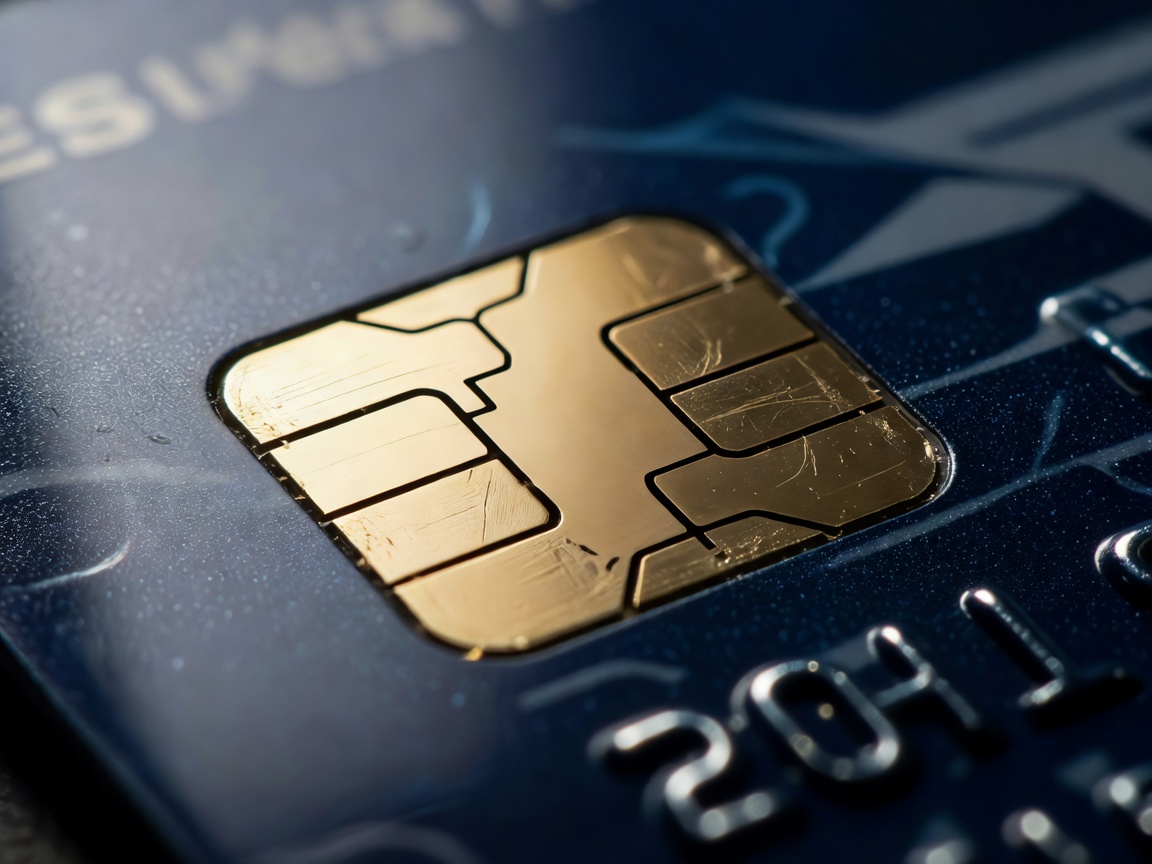
The Anatomy of Revolving Credit
Credit cards are categorized as revolving credit vehicles. Unlike installment loans, which dispense a lump sum that is repaid over a fixed timeline, revolving credit provides a predetermined credit limit. Borrowers can draw upon this limit continually, repay the balance, and borrow again in an ongoing cycle. The primary advantage of revolving credit is liquidity and flexibility; the primary danger is the compounding nature of the interest if balances are not cleared efficiently.
Billing Cycles and the Grace Period
Understanding a credit card's billing cycle is critical to avoiding interest entirely. A billing cycle typically spans 28 to 31 days. At the end of the cycle, the issuer generates a statement outlining all transactions, the total statement balance, the minimum payment required, and the due date (usually 21 to 25 days after the statement closing date).
This gap between the statement closing date and the payment due date is known as the "grace period." If a consumer pays the statement balance in full before the due date, the issuer waives all interest charges on those purchases. Effectively, the consumer receives a short-term, 0% interest loan. However, if even a fraction of the balance is rolled over into the next cycle, the grace period is revoked. From that point forward, interest begins compounding daily based on the card's APR.
Interest and APR Calculations
Credit card interest is notoriously high, often exceeding 20% APR. Because interest is usually calculated daily based on the Average Daily Balance method, carrying a balance leads to rapid debt accumulation.
To calculate the daily interest rate, issuers divide the Annual Percentage Rate by 365. For a card with a 24% APR, the daily periodic rate is approximately 0.065%. Every single day a balance is carried, 0.065% of that balance is added to the total amount owed. Over weeks and months, interest applies to the principal as well as the previously accumulated interest—a mechanism known as compounding.
This is why making only the "minimum payment" is mathematically destructive. The minimum payment is usually calculated as a flat percentage of the balance (e.g., 1% or 2%) plus any interest and fees. Paying only this amount ensures the debt will drag on for years, heavily maximizing the issuer's profit.
Card Archetypes and Economics
| Card Category | Primary Function | Target Demographic |
|---|---|---|
| Secured Cards | Requires a cash deposit that equals the credit limit. Used strictly for establishing credit history. | Consumers with no credit history or severely damaged credit. |
| Balance Transfer | Offers a 0% introductory APR for 12-21 months to facilitate debt consolidation. | Borrowers actively paying down high-interest external debt. |
| Cash Back / Rewards | Returns a percentage of spend (1-5%) or points. Often carries high baseline APRs. | Consumers who pay in full monthly and seek rebate value. |
| Premium Travel | High annual fees offset by lounge access, statement credits, and high-value transfer partners. | Frequent travelers with high discretionary spend. |
The Architecture of Reward Systems
Reward cards operate on a complex economic model funded primarily by two sources: interest paid by consumers who carry balances, and interchange fees (swipe fees) charged to merchants every time the card is used. Premium reward cards typically charge higher interchange fees, which is why some small merchants refuse certain premium card networks.
From a consumer standpoint, reward programs only yield a net positive return if the statement balance is paid in full every month without exception. Earning 2% cash back on a purchase is instantly negated if the consumer pays 20% annualized interest to finance that same transaction. To utilize credit cards as financial tools rather than traps, users must decouple the limit of the card from their perception of available spending power, tying purchases strictly to current liquid assets.